
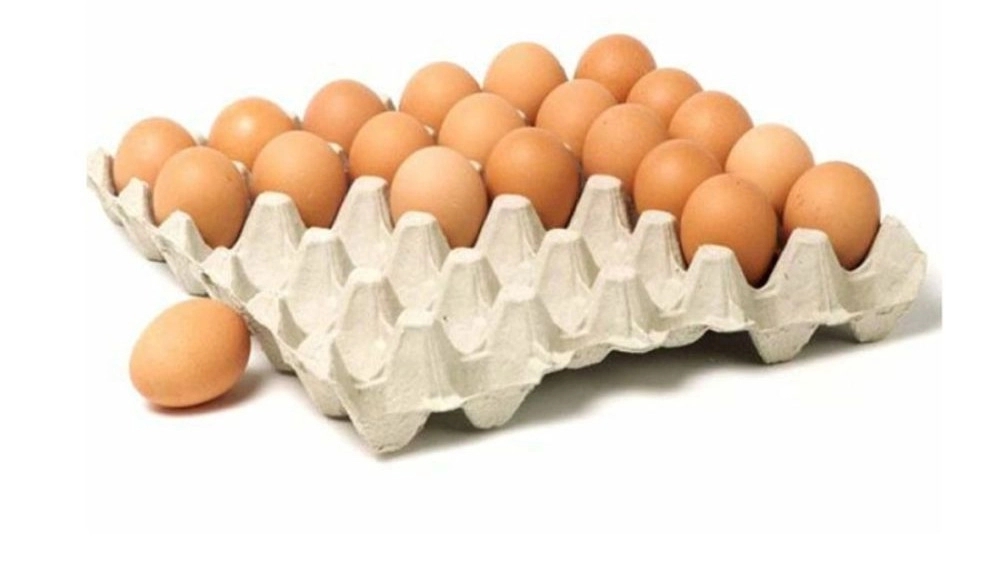
Egg comb production line has 3 stages of production of paste and primary liquid, molding and drying of egg comb. In this simple production line, you can easily produce egg combs from inexpensive recycled materials and paper and sell them to poultry farms and local and industrial egg producers. In the following, the stages of the egg comb production line have been fully reviewed:
1- Pulping
The pulping stage is the first stage of the egg comb production line. In this part, recycled papers without staples and contamination are poured into the machine and mixed with water by large blades. Waste papers, cartons and cardboards are made into a paste and are completely combined with water and special thickeners.
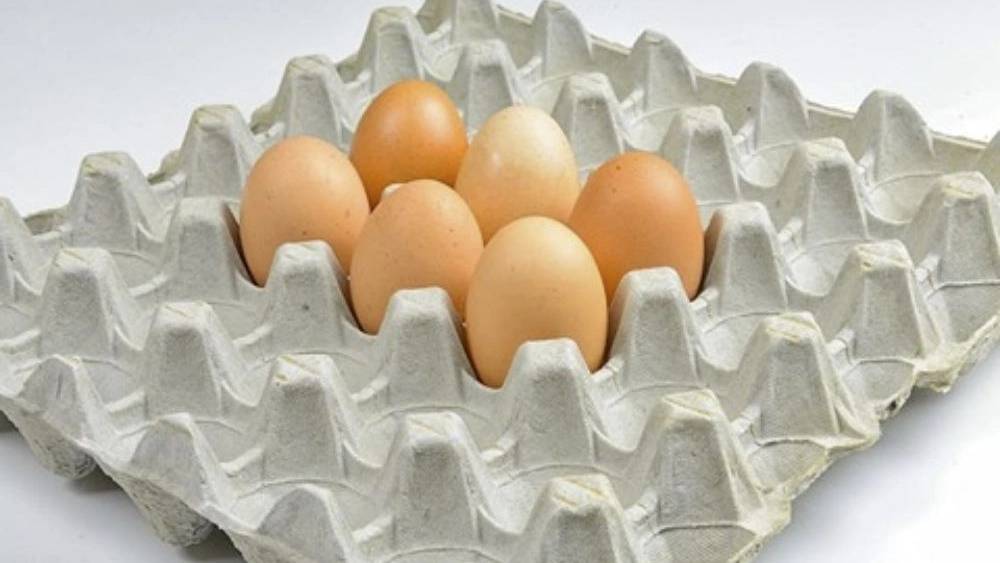
Sometimes in this part, colored eggs are added to the dough so that the final product is colored. After obtaining the raw material and dough for egg comb production, it is time to mold them.
2- Modeling or molding
After preparing the dough, the raw material of the egg comb is discharged from the pulping system and enters the female mold machine. In this device, with the help of negative pressure and vacuum absorption, the egg comb dough sticks to the molds and takes their shape. Egg comb molds are usually 6, 9 or 36. The egg comb in this part is very soft and has a doughy and flexible state.
3- Dryer suitable for workshop egg shoulder production line
This comb is a doughy egg and it loses its original shape with the slightest impact. Therefore, it needs to be moved slowly and dried as soon as it is removed from the mold. For this purpose, several methods are used, of which the most used and of course the most expensive is the drying tunnel.
What is the profitability and income of egg shoulder production?
In the egg comb production line, waste paper is first crushed in a pulping machine and mixed with a liquid to turn into pulp. Then this dough is directed to the molding system and using vacuum and pressure, it takes the shape of the egg comb mold. After that, the molded combs are transferred to the drying stage.
For large productions, drying tunnels are recommended, which have a high cost. In small workshops, using dryer heaters or industrial heaters to dry combs is a more economical option.